

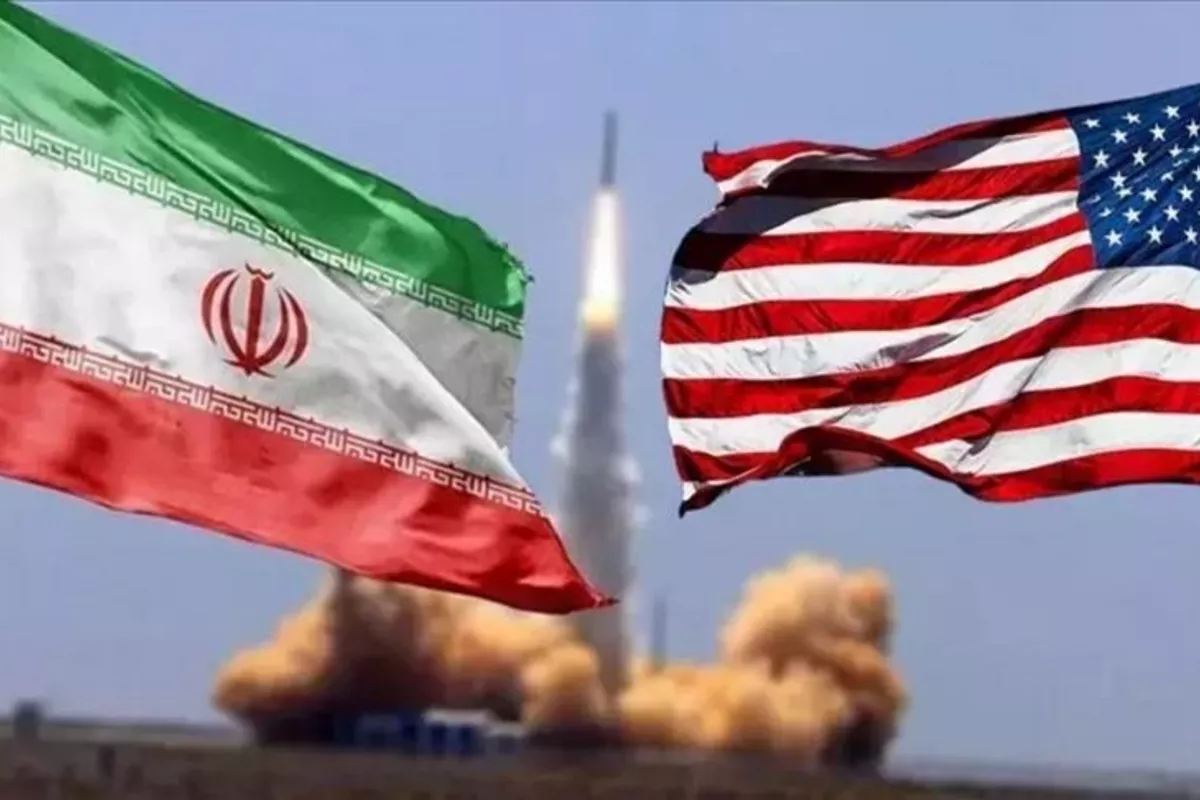
The U.S.–Iran war and the prospects for normalizing relations between the two countries have been among the leading topics in international news in recent months. At present, the normalization of relations between the two states appearsunlikely in the medium or even long term. This is due to several important factors that concern not only the deep-rooted problems between the two countries, but also regional competition, the clash of global interests, and the securityarchitecture of the entire Middle East, on which Tehran and Washington hold diametrically opposed views.
In theory, even if the parties managed to conclude a peace or ceasefire agreement or reach interim arrangements, thiswould not be sufficient to resolve the deep-rooted problems that have developed between the United States and Iranover several decades. Moreover, the U.S.–Iran conflict is driven not only by bilateral disagreements but also by theinterests of dozens of other countries that are key players in the Middle East and pillars of the region’s securityarchitecture. Among these countries, Israel, the United Arab Emirates, Qatar, Saudi Arabia, Bahrain, and others naturally play particularly important roles. The U.S.–Israeli war against Iran was, of course, not a decision made overnight. It was the result of long-term strategic planning pursued by Israel, which ultimately drew the United States into the conflict as well. Notably, successive U.S.administrations had avoided direct confrontation with Iran, preferring instead to rely on other instruments. The situation changed, however, when Donald Trump was elected president of the United States.During Trump’s first administration and subsequently in his second term, he initiated the so-called Abraham Accords, which aimed to normalize relations between Arab countries and Israel. This would make it possible to further isolateIran, deprive Tehran of support from regional states that could act as partners against Israel, and establish a de facto anti-Iranian coalition, thereby neutralizing the possibility of a coalition forming against Israel along an Iran–Arab states axis.
These agreements addressed several important issues. First, by normalizing relations, Israel could manage potentialsecurity risks and concentrate all its resources on confronting Iran. Meanwhile, several Arab countries could also focus their resources on countering Iran, backed by Washington’s unwavering support and the substantial reduction of threats posed by Israel, with Washington providing security guarantees. For the United Arab Emirates, for example, the agreements created significant economic opportunities and opened the door to military cooperation with the United States and Israel. For Bahrain, they offered an opportunity to reduce thedirect threat posed by Iran. In other words, the Abraham Accords helped formalize and reshape the geopolitical structure of the Middle East into an anti-Iranian coalition in which each participating country had a greater or lesser role to play—not necessarily through active military operations, but by supporting the U.S.–Israeli coalition in various ways. However, to fully understand this geopolitical landscape, the situation must be examined from a broader perspective.There are also elements of global competition that may not be immediately apparent but have undoubtedly had significant impact on Washington’s strategic planning and implementation of its policies. One such factor is China, and the U.S.–Iran confrontation is also situated at the heart of the broader global competition between Washington and Beijing. The U.S.–Iran war gave Washington an opportunity to limit and, to a considerable extent, prevent China’s rapid expansion and growing influence in the Middle East—a process that Beijing had begun pursuing quite effectively in 2023.
As early as 2023, Iran and Saudi Arabia, traditionally considered historical rivals, reached an agreement to normalizerelations under Chinese mediation. As a result, Beijing significantly expanded its involvement in the Middle East, emerging as one of the region’s important geopolitical actors. Beijing effectively challenged the United States, which had traditionally been regarded as the Middle East’s principal power and the main mediator in various regional conflicts. China, the largest consumer of oil and energy resources from both Iran and Saudi Arabia, managed through this historic agreement to stabilize markets and supply chains, effectively preventing potential disruptions in supplies that could have resulted from an escalation between Iran and Saudi Arabia.
Above all, Beijing secured the status of a new global player in the region and gained an opportunity to advance its global economic projects and expand its geopolitical influence. Naturally, Beijing’s mediation efforts in 2023 were perceived in Washington as a serious challenge and came as a shock. In effect, through China’s diplomatic efforts, one of the United States’ most important strategic allies, SaudiArabia, moved toward normalizing relations with Iran, Washington’s principal adversary. China, meanwhile, was ableto capitalize on this process to strengthen its diplomatic and political influence in the Middle East. As a result, new geopolitical realities emerged in the region, developments that Washington could no longer fully influence. As a consequence of the U.S.–Iran war, China’s role diminished significantly, both as a mediator and as a regional actor. The war effectively overturned the arrangements reached previously and nullified the results of Beijing’s delicate diplomatic efforts. It is therefore reasonable to conclude that, at least at this stage, the United States has managed to constrain China’s ability to assume a more substantial and institutionalized role in the Middle East simply through the outbreak of war.The process that Beijing could have used to consolidate its position on the ground is no longer in place. This does not mean, of course, that Beijing has no further role to play in the Middle East or that it will refrain from taking action. China continues to have significant economic, energy, and strategic interests in the region. However,Beijing will most likely pursue further expansion of its influence through other channels and under more favorable political and temporal conditions. Nevertheless, one fact remains clear: the closure of the Strait of Hormuz is causing significant damage to the Chinese economy.
The Trump Administration’s Exit Strategy—or the Lack Thereof
Despite its preparations for war, the Trump administration appears unable to develop an effective strategy for bringing the conflict to an end. At this stage, Trump cannot declare a genuine victory in the war as long as the Strait of Hormuz remains closed or its security and maritime traffic remain entirely under Iranian influence. The situation surrounding the strait continues tohave a significant impact on global oil prices and, consequently, directly affects the domestic economic situation in theUnited States. At the same time, Trump cannot simply withdraw the U.S. Navy and other military forces deployed in the region whilethe question of control over the Strait of Hormuz remains unresolved. Such a move could be perceived not as the end ofthe war but as a retreat or withdrawal, particularly given that Washington has not yet achieved its principal objectives. This situation is especially challenging for the Trump administration as the midterm elections approach. A prolonged war serves neither the economic interests of the United States nor the administration’s political interests. Trump’s approval ratings continue to decline as the combination of a protracted war, rising oil prices, and mounting domestic economic difficulties fuels public dissatisfaction not only with the president but also with the Republican Party. Furthermore, if we consider that a Democratic victory in the House of Representatives and the Senate could very likely lead to the initiation of impeachment proceedings against Trump (not necessarily leading to removal), the extent of the difficulties facing his administration becomes even clearer.
Originally published by Luys Foundation
